The Real Cost Of "Free" Estimates: Why The Three-Bid Rule Is Broken (And What To Do Instead)

"I want to redo my kitchen. I want to move my sink over here and I want an island and I want bar stools and I want this and I want that."
Sound familiar? If you're planning a luxury remodel, you've probably had this exact conversation with multiple contractors. And if you're following conventional wisdom, you're collecting three "free" estimates to compare pricing.
Here's the uncomfortable truth: this approach is setting you up for disappointment, cost overruns, and stress—regardless of which contractor you choose.
The Fatal Flaw in Free Estimates
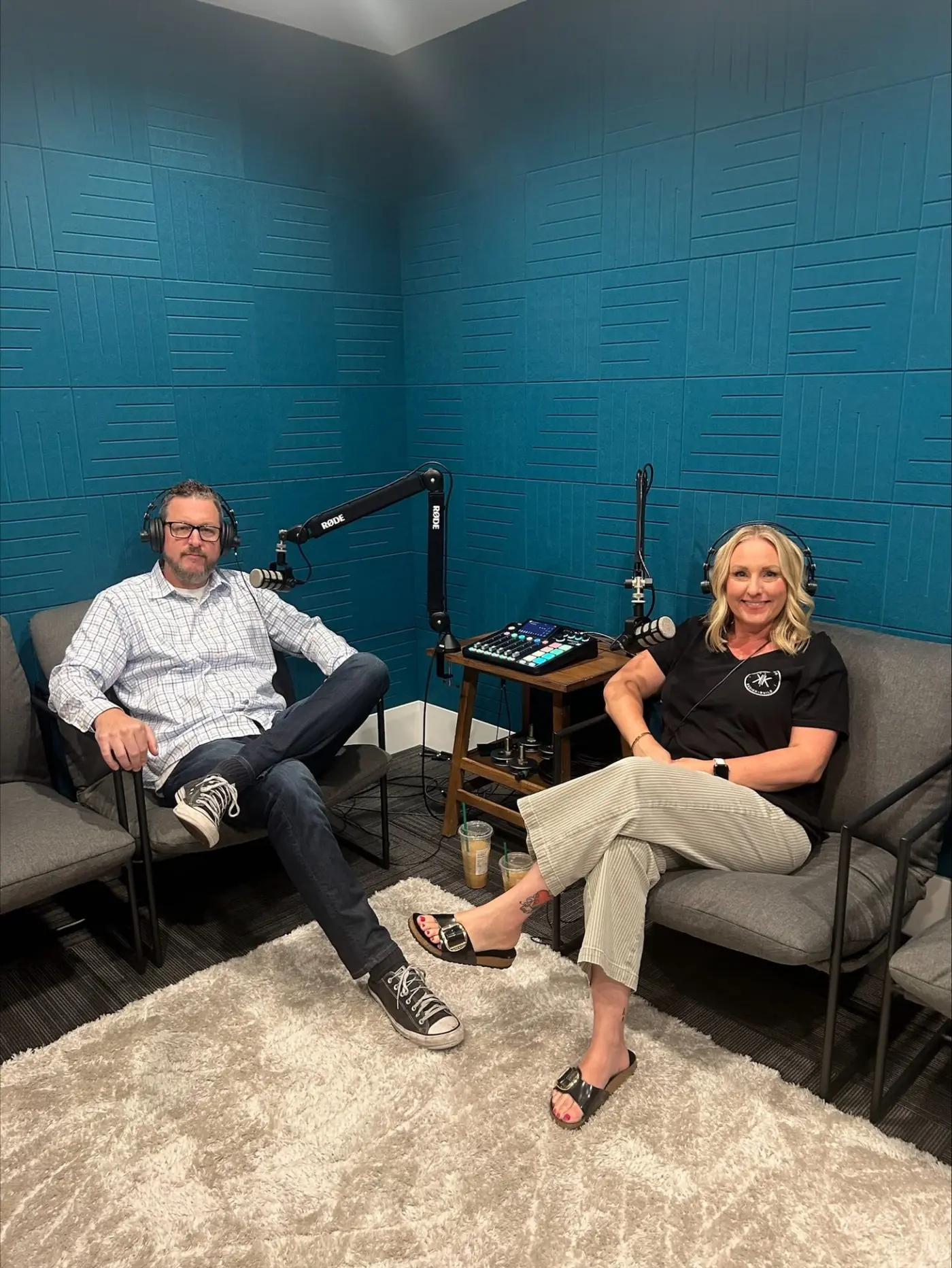
When Brenna went undercover as a potential client, the results were telling. One contractor shocked her with wildly different measurements of the same space, then immediately dropped his price when she expressed surprise. The other was thorough but disappeared entirely. Neither delivered what they promised.
"This is a pretty typical result," explains Rusty Krouse, owner of K Squared Construction. "We hear this a lot—four or five contractors come out to the house, maybe one or two call back, and only one actually gives a quote."
The problem isn't the contractors' work quality. The problem is that you're asking them to price a dream, not a plan.
What You're Actually Comparing (Hint: It's Not What You Think)
When you tell three contractors about your kitchen vision, you're not getting three quotes for the same project. You're getting three different interpretations of what they think you want.
Contractor A assumes your "stain grade cabinets" means basic oak
Contractor B prices walnut with custom details
Contractor C interprets "painted cabinets" as automotive-grade high-gloss finish
Same request. Completely different projects. Wildly different prices.
"There's a huge difference between an estimate and a proposal," Brenna notes. "An estimate is a guess. A proposal is where somebody takes tangible evidence and creates a price based on real things."
Without detailed plans and specifications, you're comparing three educated guesses—not three legitimate options.
The Hidden Costs of "Free"
That free estimate isn't actually free. You're paying for it in:
Wasted Time How many hours have you spent meeting with contractors who never followed up? Multiple that by your hourly rate at work.
Surprise Costs During Construction Remember the flooring example from the podcast? A client wanted to replace hardwood floors with luxury vinyl plank (LVP). Sounds simple, right? But the LVP was half the thickness of the original hardwood. Without proper planning, they would have faced an ugly gap under all their door casings—and an unexpected expense to fix it after installation. In K Squared's pre-construction process, this issue was identified and resolved before a single board was removed, allowing the client to make an informed decision about their options.
Change Orders and Budget Creep When contractors skip the planning phase, problems surface during construction. That electrical panel that can't handle additional circuits? The structural beam that prevents your dream vault ceiling? These become expensive change orders instead of planned line items.
What Pre-Construction Actually Looks Like
Real planning takes 60-120 days. Here's why:
Weeks 1-2: Comprehensive Documentation Using LiDAR scanning and Matterport 360-degree cameras, every detail is captured—from exact ceiling heights to the location of each outlet and air register.
Weeks 3-6: Design Development Initial floor plans are created, then refined through collaboration between designer, builder, and client. Budget guidance meetings ensure the vision aligns with financial reality.
Weeks 7-10: Material Selection and Specification Every finish, fixture, and material is selected and specified. No "allowances" or generic line items—actual products with model numbers and costs.
Weeks 11-16: Subcontractor Site Visits and Proposal Qualification Critical trades visit the jobsite with plans in hand. The electrician checks the panel capacity. The plumber maps existing lines. The HVAC contractor ensures adequate capacity for new spaces.
This process typically generates 50-100 pages of documentation—every specification needed to build your project without surprises.
The "Budget Puzzle" Approach
K Squared calls it the "budget puzzle"—balancing scope and budget like a scale. When the numbers don't align, you have real options:
Eliminate certain elements
Phase the project over time
Upgrade some areas while choosing value options in others
Modify the design to achieve your goals more efficiently
"The wish list is always higher than the budget, always," Brenna explains. "But now you're armed with education to know what things cost and which pieces you want to prioritize."
Red Flags vs. Green Flags: What to Look For
Contractor is available to start immediately
Verbal estimates or minimal documentation
Requests for large deposits (over $1,000 is illegal in California)
Promises that complex projects are "simple"
Has a documented pre-construction process
Asks detailed questions about your expectations
Discusses potential challenges honestly
Provides comprehensive contracts and documentation
Communicates clearly throughout the process
The Real Investment Decision
Yes, proper pre-construction planning costs money upfront—typically $5,000-$15,000 depending on project complexity. But consider the alternative:
A recent survey found that 75% of remodeling projects exceed their original budget by 20% or more. On a $200,000 kitchen renovation, that's $40,000 in unplanned costs—more than double the investment in proper planning.
Making the Paradigm Shift
Instead of "competitive bidding," think "competitive interviewing." Find a contractor with a proven process, check their references thoroughly, and evaluate how well you communicate during the planning phase.
"We like to date before we get married," Rusty explains. "Life is too short to work with people who are unpleasant or unkind. And from the client's perspective, if the pre-construction process is rocky, you probably don't want to get into construction together."
Beyond Quality: The Experience Factor
Most contractors hang their reputation on quality craftsmanship. But here's the thing—any reputable contractor should deliver quality work. That's the baseline, not the differentiator.
What separates exceptional contractors is the client experience. Can they guide you through complex decisions? Do they solve problems before they become crises? Do they prioritize your happiness throughout the process?
"Quality should be the foundation," Rusty emphasizes. "But prioritize client experience and your happiness over everything else. You need to make sure this experience isn't going to take years off your life."
Free estimates are expensive. They cost you time, expose you to budget surprises, and often lead to frustrating experiences with contractors who are guessing their way through your project.
Invest in proper planning upfront. Work with professionals who have systematic processes. Make decisions based on complete information rather than interpretations and assumptions.
Your dream home deserves more than a guess.
Ready to experience a different approach to luxury renovation? K Squared Construction's pre-construction process ensures your project vision becomes reality—on time, on budget, and with the client experience you deserve. Contact us to learn how proper planning can save you time, money, and stress on your next project.
The 4 Phases of Pre-Construction: What to Expect Before Signing a Construction Contract
Construction Clarity Question from Jennifer in Folsom, California The Problem: Rushing Into Construction You want
What is an ADU? A Complete Guide to Accessory Dwelling Units in Sacramento
Answering Construction Clarity questions from homeowners in El Dorado Hills, Granite Bay, Roseville, and Greater
Episode 1: Beyond Free Estimates – Why Pre-Construction Changes Everything
K-Squared Construction & Design PodcastHosts: Rusty Krouse (Owner, K-Squared Construction) & Brenna Krouse (CCID, California
What is a Pre-Construction Services Agreement?
From the initial creative concept of a home’s features to the details of bringing a